A Beginner’s Guide to Poker Hands and Rankings
Introduction
Poker has long been regarded as one of the most strategic and thrilling card games in the world. Whether played at a traditional casino or in the realm of online casino gaming, mastering poker begins with understanding hand rankings. Every decision a player makes—from betting to bluffing—depends on knowing the relative strength of their hand compared to their opponents. A strong grasp of poker hands and rankings not only boosts confidence but also improves decision-making under pressure. This comprehensive guide breaks down the full hierarchy of poker hands, provides practical examples, and highlights key strategies that beginners can use to gain a real advantage at the table.
Understanding Poker Hand Rankings
Poker hand rankings determine which combination of cards wins a round. Regardless of the poker variant—Texas Hold’em, Omaha, or Seven-Card Stud—the basic hand hierarchy remains consistent. Knowing this hierarchy is essential because poker is not solely about luck; it’s about evaluating probability and using that knowledge strategically.
The Role of Hand Rankings in Poker Strategy
Every betting round in poker revolves around the potential strength of your hand. Even before the community cards are revealed, skilled players calculate their odds and assess whether continuing in a hand makes sense. Recognizing which hands are statistically strong allows you to play aggressively when you have a high-ranking hand and conservatively when holding weaker cards. This foundational knowledge also helps identify when opponents might be bluffing or when folding is the best move.
The Poker Hand Hierarchy Explained
Below is the standard ranking of poker hands from the strongest to the weakest. Memorizing this order is the first step toward developing sound poker instincts.
Royal Flush
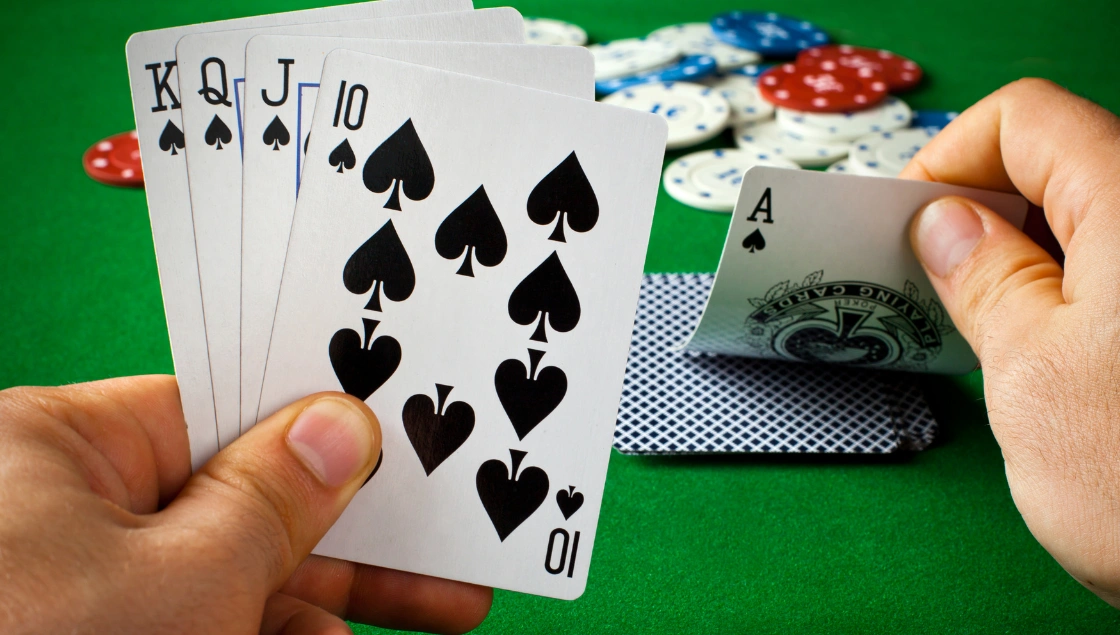
The Royal Flush is the rarest and most powerful hand in poker. It consists of the Ace, King, Queen, Jack, and Ten of the same suit. Because no other hand can beat a Royal Flush, it is often referred to as the “unbeatable” hand. The odds of getting a Royal Flush in Texas Hold’em are approximately 1 in 649,740.
Example: A♠ K♠ Q♠ J♠ 10♠
Straight Flush
A Straight Flush is five consecutive cards of the same suit that are not a Royal Flush. The higher the top card, the stronger the Straight Flush. This hand is powerful because it combines both a straight and a flush, making it difficult for opponents to beat.
Example: 8♦ 7♦ 6♦ 5♦ 4♦
Four of a Kind
Also known as Quads, this hand consists of four cards of the same rank and one side card or “kicker.” It’s a dominant hand in most poker games and can beat almost any other combination except a Straight Flush or Royal Flush.
Example: 9♣ 9♦ 9♠ 9♥ J♦
Full House
A Full House combines a Three of a Kind and a Pair. When two players have Full Houses, the one with the higher ranking three-of-a-kind wins.
Example: K♥ K♣ K♦ 10♠ 10♦
Flush
A Flush is five cards of the same suit, not in sequence. The value of the Flush is determined by the highest card in the hand. When multiple players have Flushes, the one with the highest top card wins.
Example: A♥ J♥ 9♥ 6♥ 3♥
Straight
A Straight consists of five consecutive cards of mixed suits. Aces can be used either as the highest card (A-K-Q-J-10) or the lowest (5-4-3-2-A), but not both.
Example: 10♣ 9♦ 8♠ 7♠ 6♥
Three of a Kind
This hand, sometimes called Trips or a Set, includes three cards of the same rank and two unrelated side cards. While it’s strong, it’s often beaten by Straights or higher combinations.
Example: 7♦ 7♣ 7♠ Q♣ 4♥
Two Pair
A Two Pair hand consists of two sets of pairs and one kicker. In case of a tie, the player with the highest pair wins; if those are equal, the next pair is compared.
Example: J♥ J♣ 8♦ 8♠ 5♦
One Pair
The One Pair hand includes two cards of the same rank with three unrelated side cards. It’s common but can still win smaller pots, especially when opponents hold weaker hands.
Example: 10♠ 10♦ 6♣ 4♥ 3♠
High Card
When no other hand combination applies, the High Card determines the winner. The highest card in your hand is compared to your opponents’. Although it’s the weakest ranking, understanding when to fold or play based on high cards can be valuable for beginners.
Example: A♠ 9♦ 6♣ 4♠ 2♥
How to Memorize Poker Hand Rankings Quickly
Learning the hierarchy of poker hands can be challenging at first, but using simple strategies makes it easier.
- Visual Patterns: Group hands with similar structures, such as Flushes and Straights.
- Practice with Real Decks: Repeatedly deal random hands and determine which is stronger.
- Use Mnemonics: For example, “Five Cards in Sequence” reminds you of a Straight.
- Play Free Online Games: Practicing in low-risk environments reinforces recognition of winning combinations.
Probability and Odds Behind Poker Hands
Understanding probabilities helps players make logical decisions rather than emotional ones. Below are the approximate odds of being dealt specific hands in Texas Hold’em:
- Royal Flush: 1 in 649,740
- Straight Flush: 1 in 72,193
- Four of a Kind: 1 in 4,165
- Full House: 1 in 693
- Flush: 1 in 509
- Straight: 1 in 255
- Three of a Kind: 1 in 46
- Two Pair: 1 in 21
- One Pair: 1 in 2.4
- High Card: 1 in 1
These odds highlight why strong hands should be played aggressively and weaker ones cautiously.
Applying Hand Rankings in Real Games
Pre-Flop Strategy
Before community cards are revealed, your starting hand determines much of your potential. Premium pairs like A-A, K-K, or Q-Q should be played assertively, while weaker hands are often best folded.
Post-Flop Adjustments
Once the flop is revealed, beginners should reassess their position. A seemingly strong starting hand can quickly lose value if community cards don’t align with it. For example, pocket kings may become vulnerable if an ace appears on the flop.
Reading the Board and Opponents
- Board Texture: Pay attention to whether the community cards create potential Flushes or Straights.
- Betting Patterns: If opponents suddenly increase bets after certain cards, it may signal a strong hand.
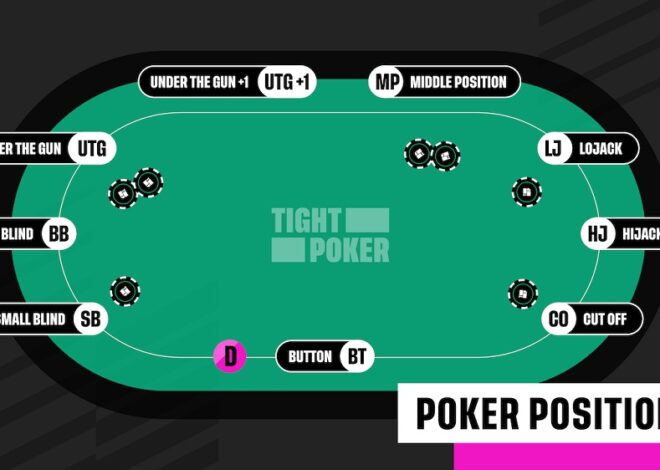
- Position Awareness: Acting later in the round provides more information, allowing for better strategic choices.
Common Mistakes Beginners Make
- Overvaluing Medium Hands: Many new players stay in rounds with hands like One Pair, not realizing their weakness against potential Straights or Flushes.
- Ignoring Kicker Strength: A weak kicker can turn a strong hand into a losing one during tie situations.
- Playing Too Many Hands: Patience is vital; folding more often can improve long-term results.
- Neglecting Position: Playing aggressively from early positions increases risk without enough information.
Improving Your Poker Hand Recognition Skills
To succeed consistently, beginners must build automatic recognition of poker combinations. Try these exercises:
- Review recorded poker hands online and predict winners.
- Use apps that quiz you on hand strength and potential outcomes.
- Join local poker groups or online practice tables to gain experience against real opponents.
Real-Life Example of Poker Hand Evaluation
Imagine you’re playing Texas Hold’em and hold K♠ Q♠. The flop comes A♠ 10♠ J♦. At first glance, you might think you’ve missed the board, but you actually hold a Royal Flush draw. If the turn or river brings a spade that completes your sequence, you will have the best possible hand in poker. Recognizing these opportunities separates casual players from strategic thinkers.
How Poker Hand Rankings Influence Bluffing
Even though bluffing is a vital part of poker, it only works effectively when grounded in hand awareness. If the board shows potential strong combinations, a bluff can be convincing. However, experienced opponents can detect inconsistency between your betting pattern and potential hand strength. Beginners should use bluffing sparingly until they gain more confidence in reading the game dynamics.
FAQ
Q1: Are poker hand rankings the same across all poker variants?
Yes, most poker variants, including Texas Hold’em and Omaha, follow the same hand hierarchy, though the way hands are formed may differ based on community or personal cards.
Q2: What happens if two players have the same hand ranking?
If both players have identical hands, the kicker (the next highest card) determines the winner. If kickers are also identical, the pot is split evenly.
Q3: How can beginners improve their chances of winning?
Start by learning hand rankings thoroughly, then focus on reading opponents, controlling emotions, and managing bankroll wisely. Regular practice improves decision-making speed and accuracy.
Q4: Is it better to play tight or loose as a beginner?
Beginners should adopt a tighter strategy—playing fewer but stronger hands. This reduces risk and helps learn table dynamics before experimenting with more aggressive playstyles.
Q5: Can luck outweigh skill in poker?
Luck can influence short-term results, but over time, skill, probability assessment, and strategy determine consistent success. The best players rely on logic rather than emotion.
Q6: What is the best way to remember all the poker hand rankings?
Use visual aids, flashcards, or online practice games. Repetition builds muscle memory, helping you identify winning hands instantly during live play.
Mastering poker hand rankings is the first essential step in developing into a confident and strategic poker player. By understanding how hands are valued, recognizing odds, and applying situational awareness, beginners can transition from casual participation to skillful, strategic gameplay in any poker environment.