The Influence of Pop Culture on Slot Machine Themes
The casino gaming landscape has undergone a dramatic transformation over the past several decades. In the early days of mechanical gambling, slot machines relied on basic mechanical reels decorated with simple iconography: cherries, lemons, liberty bells, horseshoes, and playing card suits. While those classic elements laid the structural foundation of the industry, the introduction of digital video slots and online casino gaming fundamentally redefined how developers design, market, and package games of chance.
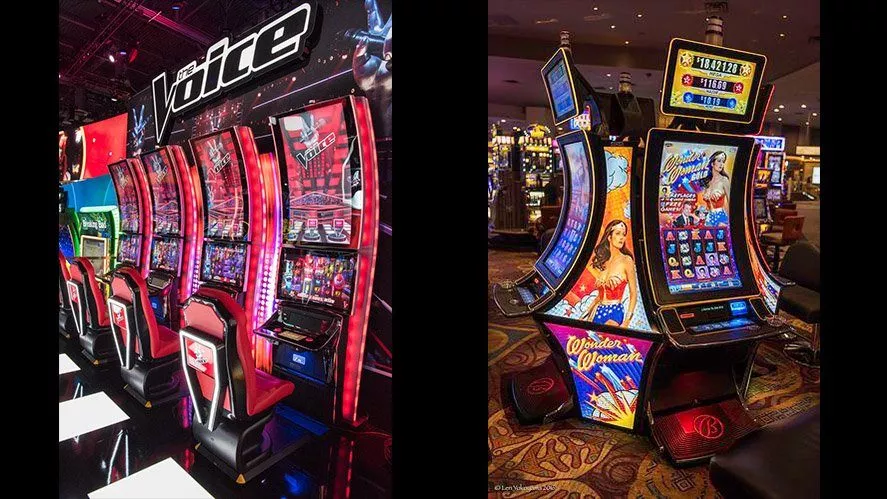
Today, the modern slot experience is an immersive media presentation fueled largely by mass entertainment. Slot manufacturers and digital game developers invest millions of dollars securing global intellectual property rights to bring iconic movies, television series, legendary musicians, comic books, and video games directly onto the gaming floor. Understanding how pop culture shapes slot machine design reveals the intersection of entertainment psychology, nostalgia marketing, visual engineering, and mathematical game design.
The Psychology of Familiarity and Instant Emotional Connection
A primary reason developers license famous pop culture intellectual properties is the immediate connection established with the player. Walking through a bustling casino floor or scrolling through an online lobby with hundreds of titles presents severe choice overload. A generic slot machine themed around generic gemstones or abstract shapes requires players to read paytables and assess features from scratch.
Pop culture branding cuts through this cognitive friction through proven psychological mechanisms:
-
Instant visual recognition: A player instantly recognizes the distinct logo of a blockbuster superhero movie, the silhouette of a legendary rock star, or the signature font of a hit television show from across the room.
-
Emotional anchoring and nostalgia: Pop culture themes tap into pre-existing positive memories. Whether it is a classic comedy film from someone teenage years or a beloved television sitcom watched with family, players associate those positive feelings with the game itself.
-
The feeling of an interactive tribute: Fans of a particular franchise do not view the slot machine merely as a betting terminal. They perceive it as an interactive tribute where they can revisit favorite scenes, listen to iconic soundtracks, and engage with beloved characters in a fresh format.
By anchoring game mechanics to familiar cultural references, developers transform an unfamiliar game into a welcoming, engaging experience before the reels even spin.
Narrative Mechanics: Turning Reel Spins into Cinematic Storytelling
Modern slot machines have evolved far beyond the basic concept of matching three symbols along a single center payline. Today, games incorporate multi-level story progressions, animated character dialogues, and branching narrative paths inspired directly by their cinematic and television source material.
Key narrative adaptations integrated into modern slot gaming include:
-
Unlockable story chapters: Players advance through distinct narrative chapters by triggering specific bonus combinations, unlocking iconic film moments, and progressing through plot arcs as they continue their session.
-
Cinematic bonus features: When a major feature or mini-game is activated, the reels frequently recede to display full-motion video sequences, complete with licensed film clips, explosive special effects, and character voice acting.
-
Dynamic character interactions: Modern cabinets and digital games allow players to select their favorite character avatar from an ensemble cast, altering the sound cues, visual animations, and even the mathematical volatility of the bonus rounds.
-
Thematic interactive mini-games: Instead of generic pick-a-box bonuses, pop culture slots feature mini-games that recreate iconic scenes, such as escaping an alien spaceship, participating in a high-speed car chase, or solving a televised game show puzzle.
This narrative depth provides players with a sense of purposeful progression, making gameplay feel closer to an interactive video game than a repetitive mechanical wager.
Audio Engineering: Licensed Soundtracks and Audio Cues
Sound design is one of the most vital yet overlooked components of the gaming experience. In traditional slots, audio is limited to simple electronic chimes, mechanical clicks, and generic celebratory fanfare. Pop culture integration revolutionized slot audio by incorporating high-fidelity licensed master recordings.
The impact of audio engineering in branded slots is demonstrated through several key elements:
-
Full-length licensed musical tracks: Music-themed slots centered around iconic rock bands, pop stars, and hip-hop legends function as interactive jukeboxes, playing high-definition concert recordings and chart-topping hits as the reels spin.
-
Authentic voice acting and soundbites: Hearing famous catchphrases spoken directly by the original actors during winning combinations adds authenticity and humor to the game.
-
Subwoofer-equipped gaming chairs: Land-based slot cabinets now feature specialized sensory seating equipped with built-in subwoofers and surround-sound headrests, delivering visceral physical vibrations synced to cinematic bass drops and musical crescendos.
-
Dynamic tempo shifts: Background soundtracks subtly shift in tempo, instrumentation, and intensity as players enter high-stakes bonus rounds or approach major progressive jackpot triggers, heightening anticipation.
High-grade sound engineering transforms the gaming experience into a multi-sensory concert or cinematic screening.
The Cross-Generational Appeal of Changing Media Trends
Pop culture is constantly moving, and slot manufacturers carefully curate their licensed portfolios to attract specific demographic segments. Different generational cohorts hold distinct nostalgic ties and entertainment preferences, leading to varied thematic targeting.
Strategic generational curation shapes several major game categories:
-
Classic retro television and nostalgia: Baby boomers and older Generation X players are frequently drawn to themes based on classic television sitcoms, iconic twentieth-century game shows, and golden-era cinema legends.
-
Eighties and nineties cult classics: Middle-aged demographics respond enthusiastically to cult action films, eighties science fiction masterpieces, and alternative rock bands that defined their youth.
-
Contemporary streaming hits and viral culture: Modern developers increasingly license contemporary streaming shows, digital anime franchises, and modern superhero cinematic universes to engage younger, digitally native adult players.
-
Video game crossover branding: The growing crossover between gaming and gambling has led to slots based on retro arcade favorites, classic fighting games, and legendary console adventures.
This broad demographic segmentation ensures that every player profile finds an entertaining, culturally relevant title on the gaming floor.
The Technical and Commercial Licensing Ecosystem
Behind every pop culture slot machine lies a complex commercial relationship between software developers and major Hollywood studios, record labels, and talent agencies. Licensing world-renowned intellectual property requires massive financial capital, extensive legal negotiations, and strict brand governance.
The commercial realities of branded slot manufacturing involve several key factors:
-
Licensing royalties and revenue sharing: Game manufacturers pay substantial upfront licensing fees alongside ongoing royalty percentages to media conglomerates for the right to utilize character likenesses, logos, and audio assets.
-
Strict studio approval processes: Entertainment studios maintain tight creative control, requiring developers to submit every visual frame, character animation, and voice clip for formal corporate review to ensure the brand image is never compromised.
-
Cabinet engineering innovations: High-profile branded titles often serve as the launchpad for innovative physical hardware, including massive curved forty-three-inch four-K screens, custom physical interaction wheels, and panoramic multi-display displays.
-
Limited license lifespans: Licensing agreements typically run for a fixed number of years. When a contract expires without renewal, operators must retire the physical cabinets and remove digital titles from online server libraries.
The immense investment required to produce branded slots is repaid through higher player traffic, extended session times, and strong global recognition across competitive gaming markets.
Frequently Asked Questions
Do pop culture branded slot machines have lower payout percentages than generic slots?
Branded slot machines can sometimes have slightly lower return-to-player percentages or higher volatility compared to simple generic slots. This small mathematical adjustment helps operators and game studios offset the substantial licensing fees and ongoing royalty percentages paid to media corporations for using famous intellectual properties.
What happens to an online branded slot game when the licensing contract expires?
When a developer licensing agreement with an entertainment studio expires and is not renewed, the game must be decommissioned. Online casinos remove the title from their digital lobbies, and land-based casinos replace the physical game software or conversion kits with newer licensed or proprietary titles.
How do developers choose which pop culture franchises to turn into slot machines?
Game studios analyze demographic gaming data, box office performance, long-term cultural staying power, and global brand recognition. They prioritize franchises with dedicated fan bases, strong visual assets, memorable audio soundtracks, and action-oriented storylines that translate easily into dynamic bonus mechanics.
Are original actor voices used in branded slot machines, or are they re-recorded by impersonators?
Most top-tier branded slots utilize authentic voice clips extracted directly from original master audio files supplied by the film studio or record label. In cases where specific custom lines are needed for game navigation, developers either hire the original actors to record new dialogue or employ certified voice artists with studio authorization.
Can a pop culture slot feature custom mathematical models tied to specific characters?
Yes, modern multi-character slots allow players to select specific characters that feature unique mathematical profiles. For instance, choosing a defensive character might provide low-volatility gameplay with frequent small wins, while selecting an aggressive villain character might switch the bonus round to high volatility with rare but massive payout potential.
Why are music-themed slots based on classic rock bands so prominent on casino floors?
Classic rock bands hold enduring cross-generational appeal and feature iconic, high-energy guitar riffs that build excitement during gameplay. The demographic that grew up listening to classic rock represents a significant portion of frequent casino visitors, making legendary rock bands exceptionally profitable themes for land-based gaming cabinets.

Related Posts
Looking for Some New Slots?
What are tether slot betting strategies for winning?